Garden pests can damage vegetables, flowers, shrubs, and young trees, but seeing insects does not always mean immediate treatment is necessary. Many insects support pollination, natural pest control, and a healthy outdoor environment.
Organic yard care focuses on prevention, observation, identification, and targeted action. The goal is not to remove every insect. It is to protect important plants while reducing unnecessary harm to beneficial species.
American gardens face different pests depending on climate, season, crop type, and local conditions. A method that works in one region may not be appropriate in another. Gardeners get better results when they understand the specific problem before choosing a response.
Inspect Plants Regularly
Early detection makes many pest problems easier to manage.
Gardeners should look at the upper and lower surfaces of leaves.
Small insects, holes, discoloration, sticky material, webbing, eggs, and damaged stems may provide clues.
Young plants often need closer inspection because limited growth can be affected quickly.
Gardeners should also check soil surfaces and the base of stems.
A brief inspection several times each week may prevent larger problems.
Thoughtful organic garden planning can help homeowners include plant observation in a regular maintenance routine.
Identify the Pest Before Taking Action
Different insects cause similar damage.
Leaf holes may come from caterpillars, beetles, slugs, or other pests.
Applying a treatment without identification can waste time and affect helpful organisms.
Gardeners can take clear photographs and compare the insect, plant, and damage pattern.
Local garden resources may help with identification.
The life stage is also important. Eggs, larvae, and adults may look completely different.
Correct identification supports a more focused response.
Accept Small Amounts of Damage
A few damaged leaves do not always threaten the plant.
Healthy plants can often tolerate limited feeding.
Gardeners should consider whether new growth continues and whether the pest population is increasing.
Immediate treatment may not be necessary when damage remains minor.
Some caterpillars later become butterflies or moths.
A garden supporting wildlife may not have perfect leaves.
The goal should be plant health rather than flawless appearance.
Encourage Beneficial Insects
Lady beetles, lacewings, certain wasps, and other helpful insects may reduce pest populations.
A variety of flowering plants can provide food and habitat.
Gardeners should choose flowers suited to local conditions and include different bloom periods.
Broad treatments may affect beneficial insects along with pests.
Avoiding unnecessary applications helps natural garden relationships develop.
Creative wildlife-friendly garden inspiration can help homeowners combine flowers, vegetables, and habitat features in attractive ways.
Remove Pests by Hand
Hand removal can work well in small gardens.
Large caterpillars, beetles, egg clusters, and damaged leaves may be removed when identified correctly.
Gardeners should wear suitable gloves and avoid touching unknown insects.
Removed pests should be handled according to the specific situation.
A small container may help collect insects during inspection.
Hand removal is most practical when populations remain limited.
Regular observation makes this method more effective.
Use Water for Certain Insect Problems
A controlled stream of water may remove some small insects from sturdy plants.
The pressure should not damage leaves or stems.
Gardeners should direct water carefully and inspect the plant afterward.
Repeated treatment may be needed.
This method may not work for every pest or plant.
Wet foliage should have time to dry, especially in humid conditions.
Water use should remain reasonable during dry weather.
Keep the Garden Clean
Fallen fruit, damaged vegetables, dead plants, and heavy debris may provide shelter or food for certain pests.
Regular cleanup can reduce some problems.
Gardeners should remove severely diseased material rather than leaving it beside healthy plants.
Tools may need cleaning after contact with affected growth.
Weeds can also provide hiding areas or alternative food sources.
However, total removal of every natural material is not always necessary.
A balanced garden can retain useful habitat while controlling problem areas.
Improve Plant Spacing
Crowded plants may create humid conditions and reduce inspection access.
Proper spacing supports airflow and allows gardeners to see developing problems.
Plants should be arranged according to mature size.
Overcrowded vegetables may also compete for sunlight, water, and nutrients.
Thinning seedlings can improve growing conditions.
Branches touching the ground may need support when appropriate.
Healthy growth can increase a plant’s ability to tolerate limited pest activity.
Rotate Vegetables When Practical
Some pests remain associated with specific plant families.
Changing crop locations may reduce repeated pressure in certain gardens.
Rotation is easier in larger growing spaces.
Small raised beds may offer limited options, but gardeners can still change positions when practical.
Removing old plant material and cleaning supports after harvest may also help.
Keeping garden pest records can reveal which crops and locations experience repeated problems.
Use Physical Barriers
Covers, netting, collars, and fencing may protect plants without direct treatment.
The barrier must match the pest.
Light covers can protect young crops from certain insects when installed correctly.
Netting openings should be suitable for the problem.
Barriers should not trap pests inside.
Gardeners may need to remove covers during flowering when pollination is required.
Structures should allow watering and plant growth.
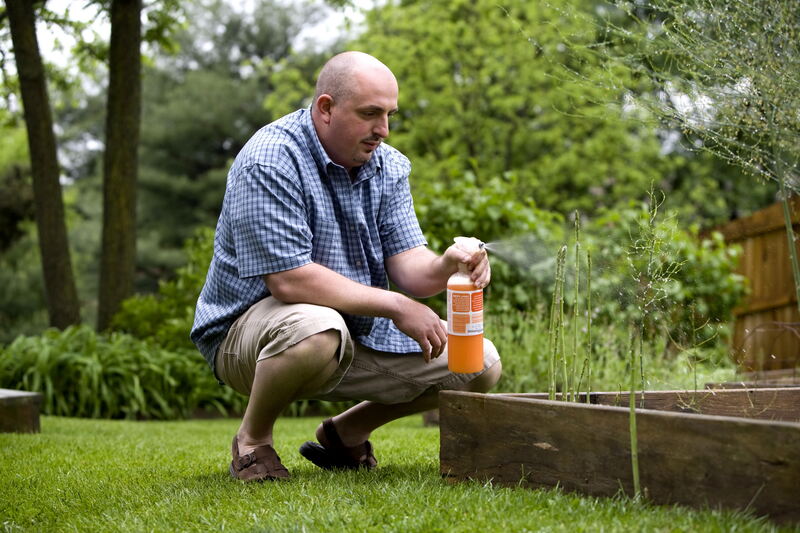
Choose Organic Products Carefully
A product labeled organic can still affect insects, plants, people, pets, or nearby water.
Gardeners should read the entire label and follow directions.
Treatments should be selected for the identified pest and approved plant use.
Applying more than directed does not improve safety or results.
Timing matters because some products may affect pollinators.
Targeted application is often preferable to treating the entire yard.
Local regulations and product instructions should always be followed.
Protect Pollinators
Pollinators support flowers, food crops, and local plant communities.
Gardeners should avoid unnecessary treatments around active blooms.
Early observation and physical control may reduce the need for wider applications.
Flowering weeds should be considered before treatment because pollinators may visit them.
Homeowners can create separate flowering areas that provide reliable seasonal food.
Pest control decisions should consider the entire garden rather than one damaged leaf.
Support Healthy Soil and Strong Plants
Healthy plants may tolerate stress more successfully.
Gardeners should match plants to available light, soil, climate, and moisture.
Overwatering can weaken roots and create disease concerns.
Excess fertilizer may encourage soft growth that attracts certain pests.
Soil testing helps avoid unnecessary feeding.
Mulch can support moisture management but should not be piled against stems.
Balanced natural yard care guidance can encourage prevention before treatment.
Review Results Before Repeating Treatment
Gardeners should inspect plants after taking action.
A reduction in new damage may indicate that the method is working.
Old damage will not disappear, so attention should focus on fresh growth.
Repeated treatment without evaluation may be unnecessary.
Weather can also change pest activity.
A small record of dates and results can support future decisions.
Organic garden pest control works best through regular observation, accurate identification, healthy growing conditions, and targeted action. American homeowners do not need to eliminate every insect to maintain productive yards. By accepting minor damage, supporting beneficial species, using physical methods, and selecting treatments carefully, gardeners can protect plants while maintaining a more balanced outdoor environment.