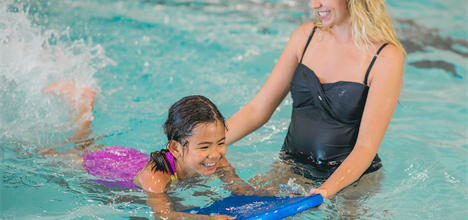
Swimming lessons can help children and adults become more comfortable around water. Across the United States, families visit pools, lakes, beaches, water parks, and vacation destinations throughout the year.
Learning to swim is useful, but lessons do not remove every risk.
Water safety depends on supervision, clear rules, suitable instruction, and continued practice.
Families should choose programs carefully and understand what progress looks like at different ages.
People exploring family recreation and water safety topics can compare practical ideas before enrolling in a class.
Choose a Program That Matches Age and Experience
Swimming classes should fit the learner.
Young children may begin with water comfort, safe entry, breathing, floating, and simple movement.
Older beginners may learn similar skills with different teaching methods.
Adults may need private or beginner-focused sessions.
Do not place a child in a higher group only because of age.
Current ability matters.
Ask how instructors evaluate swimmers.
Some programs provide assessments before class placement.
Others adjust groups during the first session.
A suitable level reduces fear and supports progress.
Meet the Instructor When Possible
Communication matters.
Ask about teaching experience.
Find out how instructors manage nervous swimmers.
Observe whether directions are clear and respectful.
Children learn differently.
Some respond to demonstrations.
Others need repeated practice.
A patient instructor can build trust.
Avoid programs where children are pressured into activities before they understand the process.
Progress may include small steps.
Entering the water calmly can be meaningful for a beginner.
Families sharing personal swimming lesson experiences often describe confidence as an important early achievement.
Keep Class Sizes Manageable
Instructor attention affects learning.
Large groups may create more waiting.
Ask how many swimmers are assigned to each instructor.
The appropriate number depends on age, skill, pool design, and support staff.
Young beginners often need closer attention.
Observe one class before enrolling when possible.
Do swimmers stay active?
Can the instructor see everyone?
Are assistants present?
Clear supervision supports both learning and safety.
Small groups may cost more.
Consider value rather than price alone.
Understand That Lessons Do Not Replace Supervision
A child who attends swimming lessons still needs active adult supervision.
Do not assume basic swimming ability removes risk.
Skills may change under stress, tiredness, cold water, waves, or unfamiliar conditions.
Assign a responsible adult to watch children.
Avoid distractions.
Phones, conversations, and reading can reduce attention.
Supervision should remain close.
Do not depend only on lifeguards.
Lifeguards support safety for the entire area.
Families remain responsible for individual children.
Detailed water recreation and family safety guidance can support better planning, but direct supervision remains essential.
Practice Skills Between Lessons
Regular practice helps learning.
Use safe supervised environments.
Repeat skills taught by the instructor.
Avoid introducing advanced activities without guidance.
Short practice sessions may work better than long sessions.
Keep the experience positive.
Celebrate effort.
Do not compare siblings.
Each swimmer develops differently.
A child who needs more time should not feel embarrassed.
Ask the instructor which skills are suitable for family practice.
Follow those recommendations.
Teach Safe Pool Entry
Children should learn how to enter water safely.
Jumping without checking can create risk.
Pool depth varies.
Other swimmers may be nearby.
Use approved entry areas.
Walk near the pool.
Avoid running.
Follow posted rules.
Teach children to ask permission before entering water.
This habit supports supervision.
Pool safety begins before swimming starts.
Families should review rules each visit.
Young children may need repeated reminders.
Consistency matters.
Use Life Jackets Appropriately
Life jackets can provide protection in suitable situations.
Choose approved equipment that fits correctly.
Follow instructions.
Check condition.
Do not use damaged products.
Inflatable toys are not substitutes for safety equipment.
Water wings may create a false sense of security.
Families should understand the limits of every product.
A life jacket does not replace supervision.
Different activities may require different designs.
Boating rules can vary by location.
Review requirements before travel.
Prepare for Open Water
Pools differ from lakes, rivers, and oceans.
Open water may include waves, currents, changing depth, cold temperatures, limited visibility, and uneven surfaces.
Strong pool swimmers may still face difficulty.
Use designated swimming areas.
Follow local warnings.
Ask lifeguards about conditions.
Do not enter during unsafe weather.
Wear suitable safety equipment.
Stay close to shore when appropriate.
Children need direct supervision.
Families should avoid assuming familiar skills will work the same way in every environment.
Make Lessons Consistent
Irregular attendance can slow progress.
Choose a schedule the family can maintain.
Arrive early.
Allow time to change clothes.
Rushing may increase stress.
Bring required equipment.
Label personal items.
Inform the instructor about missed sessions.
Ask about makeup policies.
Consistency supports comfort.
Children become familiar with the pool, instructor, and routine.
Progress may become easier when the environment feels predictable.
Respond Calmly to Fear
Fear of water is common.
Avoid embarrassment.
Do not force sudden participation.
Listen.
Ask what feels uncomfortable.
A child may dislike water near the face, deep areas, loud environments, or separation from a parent.
Share concerns with the instructor.
Use gradual exposure.
Celebrate small progress.
Avoid promising that nothing difficult will happen.
Instead, explain how adults and instructors support safety.
Trust develops through repeated positive experiences.
Watch for Tiredness
Swimming requires energy.
Children may become tired without recognizing it.
Schedule breaks.
Offer water.
Follow facility rules regarding food and drinks.
Cold water can also affect comfort.
End the session when a swimmer becomes weak, upset, or unable to follow instructions.
Do not push for one more activity.
Tired swimmers may lose coordination.
Rest supports safer practice.
Teach Children to Ask for Help
Children should know how to call for assistance.
Practice simple communication.
Teach them to tell an adult when tired, uncomfortable, or afraid.
Explain that asking for help is responsible.
Do not encourage risky behavior to impress others.
Children should avoid holding someone underwater, pushing others, or pretending to be in danger.
Pool play needs boundaries.
Respectful behavior protects everyone.
Review Emergency Preparation
Adults should understand facility procedures.
Identify lifeguard locations.
Know where exits are.
Keep emergency contact information available.
Consider learning basic first aid and water-related emergency response from qualified programs.
Families should not rely on panic-driven decisions.
Preparation supports calm action.
Follow instructions from trained staff.
Stories about families building safer recreation habits show that planning can become part of normal routines without reducing enjoyment.
Continue Learning After Basic Skills
Swimming development does not end after one course.
Children may progress into stronger technique, endurance, water survival skills, or specialized activities.
Adults can also continue.
Review skills regularly.
Long breaks may affect confidence.
Choose advanced instruction when appropriate.
Avoid assuming completion of a class means complete water safety.
Learning continues through practice and experience.
Keep Water Activities Enjoyable
Safety rules should remain clear, but swimming can still be fun.
Use games approved by instructors.
Celebrate progress.
Allow comfortable exploration.
Avoid turning every visit into a test.
Positive experiences can support confidence.
Families may enjoy swimming together while maintaining supervision.
The goal is comfort, skill, respect for water, and safe habits.
Swimming lessons provide valuable opportunities for American families.
Strong programs combine suitable instruction, manageable groups, consistent practice, and respectful teaching.
Family responsibility continues outside the lesson.
Active supervision, safe equipment, clear rules, and awareness of different water environments remain essential.
Swimming ability can increase confidence.
Safety grows when skills are supported by responsible decisions every time a family enters the water.


