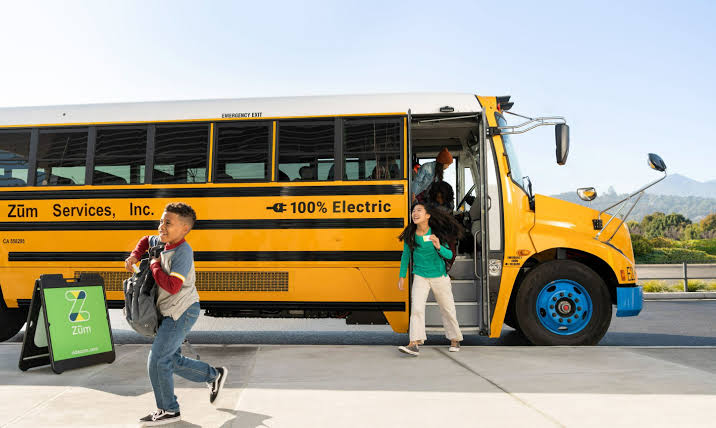
School mornings can become rushed when children are searching for backpacks, finishing breakfast, and trying to reach the bus stop on time. A calm routine helps families reduce unnecessary risks around streets, vehicles, and crowded pickup areas. These school bus safety habits can help American parents and children prepare for safer travel throughout the school year.
Bus safety begins before the vehicle arrives. Children need clear instructions about where to wait, how to behave near traffic, and what to do when routines change. Families interested in practical guidance for smoother everyday routines can build a short morning system that supports both safety and punctuality.
School Bus Safety Before Leaving Home
Preparation reduces rushing. When bags, clothing, and schedules are organized early, children are less likely to run toward the bus or forget important instructions.
Prepare School Items the Night Before
Pack backpacks, lunches, activity equipment, and school documents before bedtime.
Place everything in one consistent location. This prevents children from searching through the home while the bus arrival time approaches.
Check weather conditions and prepare suitable clothing. Rain, snow, heat, and darkness may affect the walk to the stop.
Leave With Enough Time
Children should reach the stop early enough to wait calmly. Running across streets or between parked vehicles creates avoidable danger.
Choose a walking route with suitable sidewalks and crossings when available.
Parents should explain what children should do if they miss the bus. Returning home or contacting an approved adult is safer than chasing the vehicle.
Families following daily parenting and household guidance can use simple checklists until the routine becomes familiar.
Teach Safe Behavior at the Bus Stop
Bus stops may bring several children, parents, vehicles, pets, and changing weather conditions into one area.
Wait Away From Moving Traffic
Children should stand in the designated area rather than near the road edge.
Avoid pushing, running, or playing games that could cause someone to enter the street.
Keep backpacks and personal items close so they do not create tripping hazards.
When younger children are present, adults may need to provide additional supervision based on age, location, and local expectations.
Stay Visible to the Driver
Children should avoid standing directly in front of, behind, or too close beside the bus.
The driver may have limited visibility around certain areas of the vehicle.
Follow the driver’s signals and local school instructions when crossing is required.
Thoughtful discussions about family routines and child awareness often emphasize repetition because children remember clear rules more easily when adults use the same wording every day.
Practice Safe Boarding and Riding
The ride itself requires calm behavior. Students should understand that distracting the driver can affect everyone’s safety.
Board One Person at a Time
Wait until the bus stops completely and the door opens.
Use handrails when needed and avoid pushing. Keep clothing straps, bag cords, and loose items from catching near doors.
Move toward the assigned or available seat without blocking the aisle.
Remain Seated and Follow Rules
Children should follow school transportation rules about seating, noise, food, devices, and personal belongings.
Keep aisles clear and avoid throwing objects.
Speak respectfully with the driver and other passengers.
Parents should explain that bus rules protect the entire group, not only the individual child.
Plan for Changes and Emergencies
Families should discuss what happens when schedules change, stops are moved, or a child becomes uncertain.
Create a Clear Backup Plan
Children should know which trusted adult to contact and where they are allowed to go.
Write important contact information in a safe location inside a backpack when appropriate.
Explain that children should not accept rides or change plans without family approval.
Review the plan at the beginning of each school term and after any schedule change.
Communicate With the School
Parents should report repeated safety concerns, route confusion, bullying, or stop problems through the appropriate school process.
Keep descriptions factual and include dates, times, and locations when possible.
Avoid confronting drivers during active loading when it may create distraction. Use established communication channels for detailed concerns.
Families can explore useful ideas for school routines and family organization while building a morning plan that remains manageable throughout the year.
Conclusion
Safer school transportation depends on preparation, clear expectations, and repeated practice. Packing early, arriving on time, waiting away from traffic, and following driver instructions can reduce many common risks.
The strongest school bus safety habits are simple enough for children to remember during busy mornings. Practice the route, repeat the crossing rules, and create a clear backup plan. When families and schools communicate consistently, children can begin and end the school day with greater confidence.
Frequently Asked Questions
How early should children arrive at the bus stop?
Families should follow local school guidance and allow enough time for children to arrive calmly without running toward traffic or the bus.
Where should children stand while waiting?
Children should use the designated waiting area and remain a safe distance from moving traffic according to school transportation instructions.
What should a child do after missing the bus?
The child should follow the family’s approved backup plan, such as returning home or contacting a trusted adult.
Is it safe to walk behind a school bus?
Children should avoid walking behind the bus because the driver may have limited visibility.
Why should children avoid distracting the driver?
The driver needs to monitor traffic, stops, pedestrians, and road conditions. Unnecessary distractions can affect safe operation.
What should parents do about unsafe behavior on the bus?
Document the concern and communicate through the school’s established transportation or administrative process.
How can younger children remember bus rules?
Use short, repeated instructions, practice the route, and review one or two important rules at a time.
Should children cross immediately after leaving the bus?
They should follow the driver’s instructions, local rules, and established crossing procedures rather than moving before it is safe.